
Energy-Efficient Lighting: LEDs, Sensors and Smart Controls
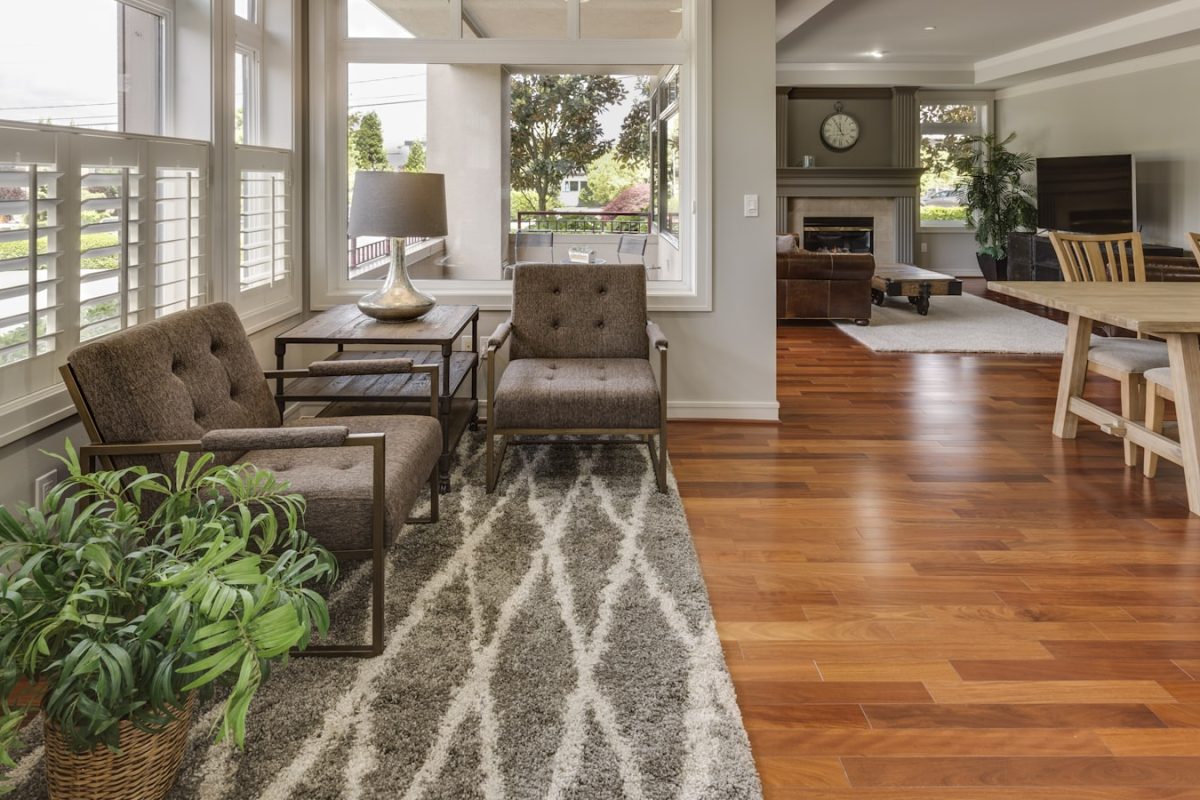
LED lighting, sensors and smart controls cut energy use and help your BASIX energy score. Here is how to light a NSW home efficiently and well.
Lighting is one of the easiest parts of a home to make efficient, and it has a real say in your BASIX energy result. The right choices cut running costs and improve comfort at the same time. This guide covers LEDs, controls and a common downlight trap to avoid.
Why LED lighting matters for BASIX
LED lighting uses a fraction of the energy of older halogen or incandescent globes to produce the same amount of light. Because lighting is one of the fixed energy uses considered in a BASIX assessment, switching to efficient LEDs lowers the modelled lighting energy and helps you meet your target.
The benefit goes beyond the certificate. LEDs last far longer than the globes they replace, so you change them less often, and they produce less waste heat, which slightly reduces the cooling load in summer. Our team can model how your lighting design affects the energy score, and you can contact us to talk it through.
Understanding lighting power density
A key concept in efficient lighting is lighting power density, which describes how much lighting power is installed for each square metre of floor area. A lower density means you are lighting the space with less electrical load.
The aim is not to make rooms dim. It is to deliver the light you need efficiently, using fewer watts to achieve good illumination. Well-chosen LED fittings naturally lower the power density because they produce more light per watt, so you can light a room properly without a high installed load.
Controls that cut waste
Even efficient lights waste energy when they are left on in empty rooms or run brighter than needed. Controls fix that. The main types are:
- Sensors. Motion or occupancy sensors switch lights on when someone enters and off when the space empties. They suit garages, hallways, bathrooms and outdoor areas where lights are often left burning.
- Timers. Useful for outdoor and security lighting that should only run during set hours.
- Dimmers. Lowering output to suit the moment saves energy and lets one fitting serve several uses, from bright task light to soft evening light.
Used sensibly, controls reduce the hours your lights actually draw power, which supports both your energy bills and your assessment.
Layering light for comfort and efficiency
Good lighting design is not about one bright fitting in the centre of each room. Layering different sources lets you use only the light you need at any moment. The usual layers are:
- Ambient light for general background illumination.
- Task light focused where you work, such as over a kitchen bench or beside a reading chair.
- Accent light to highlight features and add atmosphere.
With layers in place you can run a single task light in the evening rather than flooding the whole room, which is both more pleasant and more efficient.
The downlight and insulation trade-off
Recessed downlights are popular, but they can quietly undermine your ceiling performance. Older or non-rated downlights need a clearance gap in the ceiling insulation to avoid overheating, and they often allow air to leak between the ceiling and the roof space. Those gaps and leaks reduce the effectiveness of your insulation and let conditioned air escape.
| Downlight choice | Insulation contact | Air sealing | Effect on performance |
|---|---|---|---|
| Non-rated recessed | Needs a clearance gap | Often leaky | Weakens the ceiling |
| Insulation-contact rated and sealed | Can be covered | Sealed against leaks | Keeps the ceiling intact |
| Surface-mounted fitting | No ceiling penetration | No gap created | Preserves performance |
Choosing fittings rated for insulation contact and proper sealing, or using surface-mounted lights, keeps your ceiling insulation and air sealing working as intended. This matters because the ceiling is a major route for heat loss and gain. Our assessment team can flag where downlight choices affect your result.
Smart controls
Smart lighting adds another layer of convenience and saving. Systems that let you schedule lights, group them into scenes or control them by app or voice make it easy to avoid leaving lights on. Some can respond to daylight, dimming automatically when natural light is plentiful. The energy benefit comes mostly from the behaviour these systems encourage, namely lights running only when and as brightly as needed.
Practical tips
- Choose LED fittings throughout, including in less-used spaces like wardrobes and the garage.
- Put sensors where lights are routinely forgotten, such as hallways and bathrooms.
- Use dimmers in living and bedroom areas for flexible, lower-energy evening light.
- Specify insulation-contact rated, sealed downlights to protect the ceiling.
- Plan task lighting so you can avoid lighting whole rooms unnecessarily.
Frequently asked questions
Do LEDs really make a difference to BASIX? Yes. Lighting is one of the fixed energy uses in the assessment, so efficient LEDs lower the modelled lighting energy and help meet your target.
Are downlights a problem? Standard recessed downlights can create gaps in insulation and let air leak. Choosing insulation-contact rated and sealed fittings, or surface-mounted lights, avoids that.
Are smart controls worth it? They mainly help by making it easy to run lights only when needed. The saving depends on how you use them, so results vary by household.
Building or renovating in NSW? Get a fast, fixed-fee quote from our HERA-registered assessors.
Free guide
10 Tips for a 7-Star New Build
Our practical PDF guide to building a comfortable, compliant NSW home - the design decisions that matter most, and how to reach 7 stars without overspending.
We will only use your email to send the guide and the occasional useful update. Unsubscribe anytime. This form is protected by reCAPTCHA.

BASIX & NatHERS specialists helping NSW homeowners and builders achieve energy-efficient, compliant homes.