
Sustainable Renovations: Energy Upgrades That Pay for Themselves
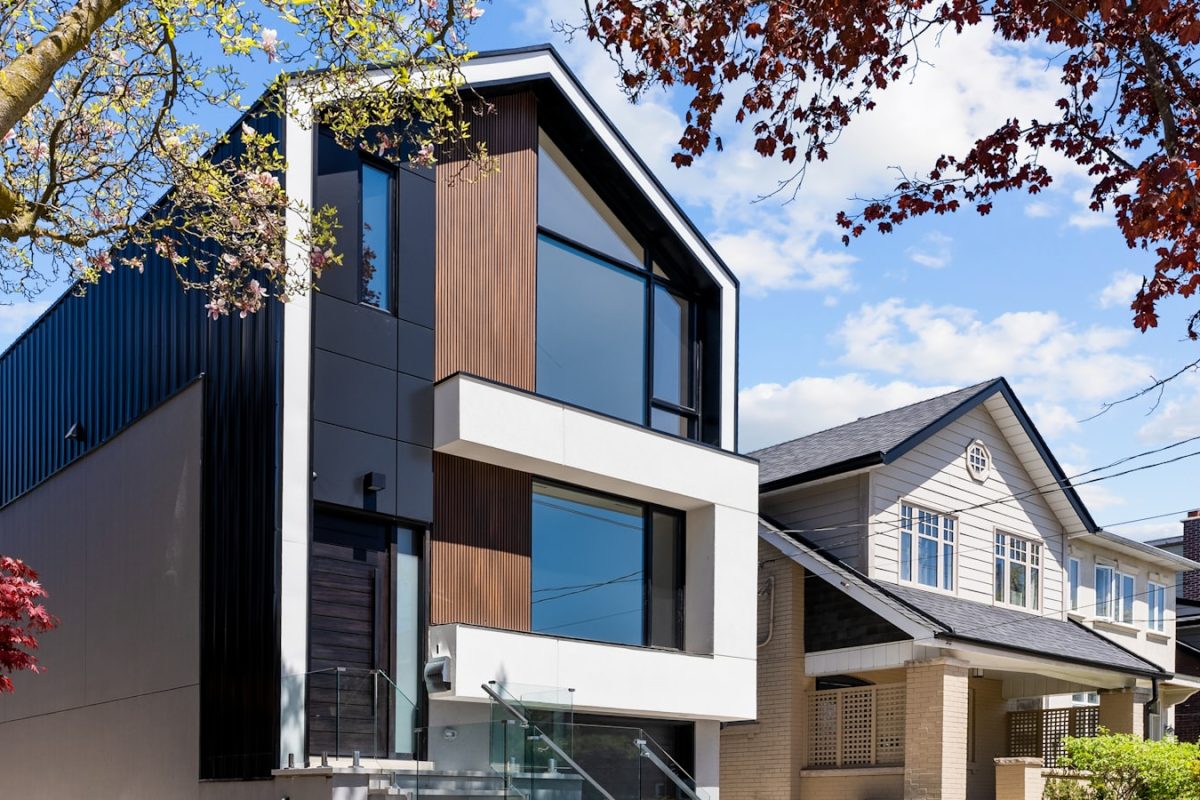
The best-value energy upgrades for an existing NSW home, roughly ordered by payback, plus when BASIX applies to renovations.
Renovating an existing home is one of the best chances you will ever get to improve its comfort and running costs. The trades are already on site, walls may be open, and small additions can deliver big long-term savings.
This guide ranks the best-value energy upgrades for an existing NSW home, roughly in order of value, and explains when BASIX applies to renovations.
Start with the cheap wins
The upgrades with the fastest payback are usually the least glamorous. They cost little, use no moving parts and quietly cut your bills for decades.
- Ceiling insulation is often the single best value upgrade. Heat rises, and an under-insulated ceiling lets it escape in winter and pour in during summer. Topping up insulation is comparatively cheap and highly effective.
- Draught sealing closes the gaps around doors, windows, vents and downlights where conditioned air leaks out. It is low cost and improves comfort almost immediately.
If you do nothing else, do these two. They typically pay back the fastest and make the home feel noticeably better straight away.
It is easy to underestimate how much air leaks from an older home. Gaps under skirting boards, around exhaust fans, beside unsealed downlights and through an open chimney add up to the equivalent of leaving a window open all year. Sealing them is often a weekend of careful work with inexpensive materials, yet it removes the cold draughts that make a room feel uncomfortable even when the heater is running. Insulation and sealing also work as a pair: insulation slows heat moving through the building fabric, while sealing stops it leaking through the gaps, and you need both for the full benefit.
Mid-tier upgrades with strong returns
Once the basics are done, the next tier costs more but still delivers solid value, especially during a renovation when access is easy.
- Better glazing or window furnishings reduce heat loss and gain through your weakest thermal points. Heavy curtains with sealed pelmets are a budget option; upgraded glazing is a bigger investment with broader benefits.
- Heat pump hot water replaces an inefficient electric or older system with one that uses far less energy for the same hot water. Hot water is a major share of a typical home energy bill, so the saving is meaningful.
- Efficient lighting such as LEDs is inexpensive and cuts a steady, everyday load.
- Reverse-cycle air conditioning to replace older electric resistance or gas heating runs far more efficiently for the same warmth.
Bigger investments for the long term
Rooftop solar sits at the larger-investment end, but for many NSW homes it offers a strong long-term return, particularly when paired with daytime loads like hot water and, later, an electric vehicle. Combined with efficient appliances, solar moves a home toward lower running costs across the board.
The value of solar grows as a home electrifies. Once the hot water, heating and cooking all run on electricity, a roof full of panels offsets a much larger share of the bill, and shifting those loads to the middle of the day uses your own generation rather than buying from the grid. A battery can be added later to carry daytime solar into the evening peak, which is why it is worth leaving room for one even if you do not install it on day one.
Upgrades ranked by value
| Upgrade | Relative cost | Main benefit |
|---|---|---|
| Ceiling insulation | Low | Big comfort and bill savings, fast payback |
| Draught sealing | Low | Stops leaks, improves comfort quickly |
| Efficient lighting | Low | Cuts everyday electricity use |
| Window furnishings | Low to medium | Reduces heat loss and gain at the glass |
| Heat pump hot water | Medium | Large cut in hot water energy use |
| Reverse-cycle heating and cooling | Medium | Efficient comfort year round |
| Upgraded glazing | Medium to high | Broad thermal improvement |
| Rooftop solar | Higher | Long-term running cost reduction |
Exact paybacks vary with your home, energy use and prices, so treat this as a general guide. Our team can confirm what makes sense for your project.
When does BASIX apply to a renovation?
BASIX does not only apply to new homes. In NSW, certain renovations and additions trigger BASIX requirements, generally when the work reaches a defined cost threshold or involves specific changes such as a pool or significant alterations. When BASIX applies, your project must meet targets for energy, water and thermal performance, much like a new build but scaled to the work being done.
Because the triggers depend on the scope and value of your project, it is worth checking early rather than assuming. If BASIX does apply, planning your upgrades to meet it from the start is far smoother than retrofitting compliance later. Our team can confirm whether your renovation needs a BASIX certificate and how to satisfy it efficiently; see our services page or get in touch for a quick answer.
Sequence your upgrades smartly
The order you do things matters. Seal and insulate before you size any new heating or cooling, so you do not pay for capacity you no longer need. Open walls are the moment to add insulation and run cabling. Group upgrades while trades are on site to avoid repeat call-out costs. A renovation is a rare window where each improvement is cheaper because the disruption is already happening.
A sensible order for most homes looks like this: first seal draughts and top up insulation, then improve the windows, then replace the hot water and heating with efficient electric systems sized for the now-tighter home, and finally add solar to power it all. Doing it in this sequence means each later step is smaller and cheaper, because the home needs less energy by the time you reach it. Reversing the order, such as buying an oversized air conditioner before sealing the house, locks in waste you then pay to run for years.
Don’t overlook water and electrification
Energy is only half of what BASIX measures, and water upgrades are often inexpensive to fold into a renovation. Water-efficient tapware, low-flow showerheads and dual-flush toilets cut consumption with no change to how the home is used, and a rainwater tank plumbed to the garden or toilets can make a meaningful difference where the roof and site allow it. If your renovation triggers BASIX, these water measures may be part of meeting the target, so it is worth planning them in alongside the energy work rather than treating them as an afterthought.
Electrification is the other theme worth keeping in view. As gas appliances reach the end of their life, replacing them with efficient electric equivalents, an induction cooktop, a heat pump for hot water and reverse-cycle heating, positions the home to run cleanly on solar and avoids paying two separate connection charges. A renovation is the natural moment to run the heavier circuits these appliances need, so even if you are not switching every appliance today, leaving the wiring ready makes the next step painless. Sequencing the electrical work to suit a future solar system and battery keeps all of these pieces working together rather than competing.
Frequently asked questions
Which upgrade pays back fastest? For most homes, ceiling insulation and draught sealing are the quickest wins. They are inexpensive, improve comfort immediately and cut bills for years.
Does my renovation need BASIX? It depends on the scope and cost of the work. Some renovations trigger BASIX and some do not, so check early. Our team can confirm for your specific project.
Is solar worth it on an existing home? For many NSW homes it offers a strong long-term return, especially when paired with daytime loads like hot water. The exact payback depends on your usage and roof.
Building or renovating in NSW? Get a fast, fixed-fee quote from our HERA-registered assessors.
Free guide
10 Tips for a 7-Star New Build
Our practical PDF guide to building a comfortable, compliant NSW home - the design decisions that matter most, and how to reach 7 stars without overspending.
We will only use your email to send the guide and the occasional useful update. Unsubscribe anytime. This form is protected by reCAPTCHA.

BASIX & NatHERS specialists helping NSW homeowners and builders achieve energy-efficient, compliant homes.