
10 Low-Carbon Building Materials for a Greener NSW Home
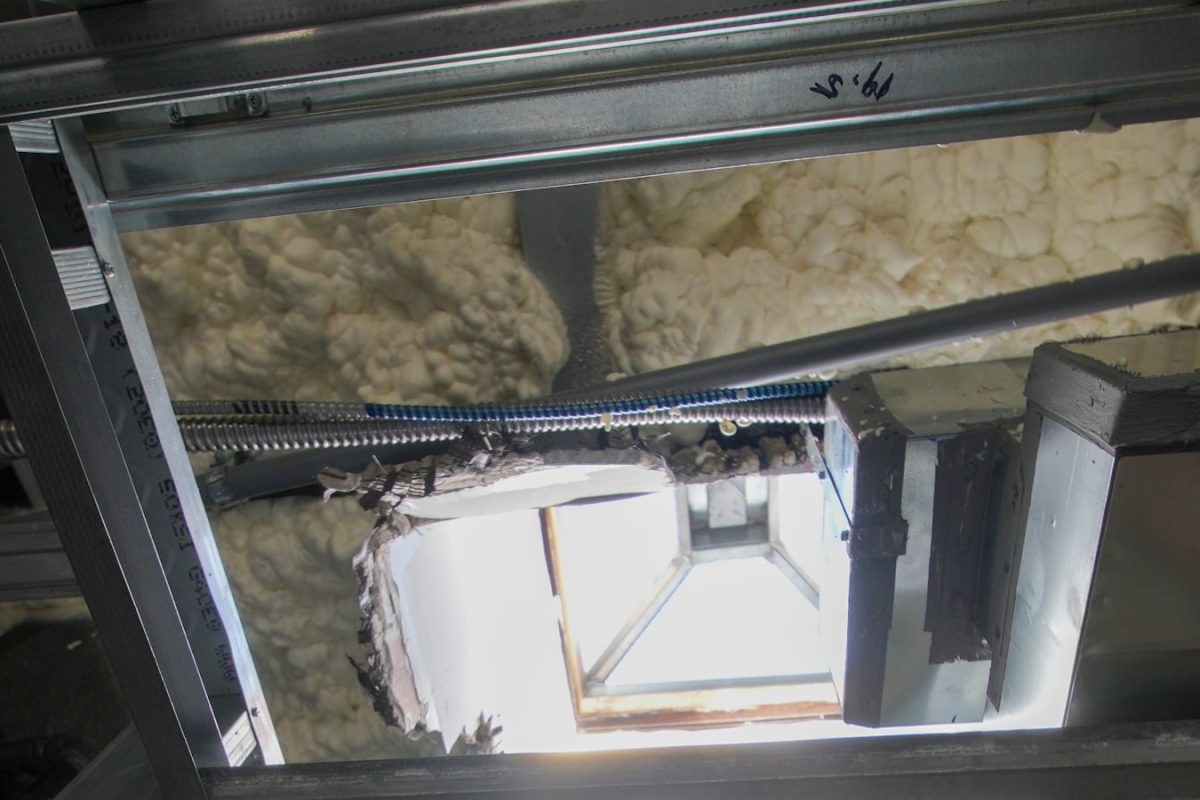
Ten lower-carbon material choices for a NSW home, what each is good for and the trade-offs to weigh up before you build.
Cutting the carbon in your home is not only about solar panels and insulation. The materials you build with carry their own footprint, and smart choices can shave a real amount off your project’s emissions without compromising on quality.
Here are ten lower carbon material options worth knowing about for a New South Wales home, with what each does well and the catches to keep in mind.
The shortlist at a glance
| Material | Best for | Main trade-off |
|---|---|---|
| Low emission concrete | Slabs and footings | Availability and cure time |
| Responsibly sourced timber | Framing and structure | Needs certification and care |
| Recycled steel | Reinforcement and frames | Supply can vary |
| Reclaimed brick | Walls and features | Sorting and matching |
| Hempcrete | Non structural walls | Specialist trades |
| Recycled content insulation | Roof, walls, floors | Check the R-value |
| Autoclaved aerated concrete | Walls and panels | Handling and fixings |
| Rammed earth | Feature and thermal mass walls | Cost and labour |
| Recycled content fibre cement | Cladding and wet areas | Weight and cutting dust |
| Low carbon plasterboard | Internal linings | Limited range |
The ten materials in detail
1. Low emission concrete
Standard concrete is carbon heavy because of the cement in it. Low emission mixes replace some of that cement with by products such as fly ash or slag. Good for slabs, footings and driveways where you would use concrete anyway. Trade-off: some mixes cure more slowly, so the build program needs to allow for it, and availability varies by supplier.
2. Responsibly sourced timber
Timber is one of the few structural materials that stores carbon rather than just emitting it. Good for wall and roof framing, flooring and some structural elements. Trade-off: look for credible certification so you know it is sustainably grown, and detail it well to protect against moisture and pests.
3. Recycled steel
Steel made with recycled scrap uses far less energy than steel from virgin ore. Good for reinforcement, beams and frames where steel is the right call. Trade-off: recycled content can vary between suppliers, so ask for the detail rather than assuming.
4. Reclaimed brick
Reusing bricks avoids the energy of firing new ones and gives a home character. Good for feature walls, fences and paving. Trade-off: bricks need cleaning, sorting and matching, which takes labour, and you need enough of a consistent batch for the job.
5. Hempcrete
Hempcrete is a mix of hemp, lime and water that forms a breathable, insulating wall infill. Good for non structural walls where you want insulation and moisture buffering together. Trade-off: it is not load bearing, so it needs a separate frame, and it calls for trades who know how to work with it.
6. Recycled content insulation
Insulation made with recycled glass, plastic or natural fibres delivers the same job with less virgin material. Good for roofs, walls and floors across the whole home. Trade-off: always check that the product meets the R-value your design needs, since performance is what counts for your rating.
7. Autoclaved aerated concrete
Autoclaved aerated concrete, often called AAC, is a lightweight blockwork with air bubbles that give it insulating value. Good for walls and floor panels where you want mass with some thermal benefit. Trade-off: it is softer than dense masonry, so it needs the right fixings and careful handling.
8. Rammed earth
Rammed earth walls are built by compacting natural soils, often from on or near the site. Good for feature walls and thermal mass in the right climate. Trade-off: it is labour intensive and can be costly, and it needs careful design to manage thickness and weather protection.
9. Recycled content fibre cement
Fibre cement with recycled content offers durable cladding and lining with a lower footprint than fully virgin product. Good for external cladding, eaves and wet areas. Trade-off: it is heavy to handle and cutting creates dust, so proper site practices matter.
10. Low carbon plasterboard
Some plasterboard is now made with lower carbon processes or recycled content. Good for internal wall and ceiling linings throughout the home. Trade-off: the range of low carbon options is still narrower than standard board, so confirm availability with your supplier.
How to choose for your project
No single material is right for every job. The best approach is to look at where your build uses the most carbon heavy materials, usually concrete, steel and brick, and target those first. A few well placed swaps there often beat chasing many small changes elsewhere.
- Match the material to the job, not the other way around.
- Confirm structural performance and any certification before committing.
- Price options early, while the design is still flexible.
- Factor in local supply, since transport adds emissions and cost.
Results depend on the project, your block and your budget. Our assessors can help you weigh these choices against your BASIX and NatHERS targets. See how we can help on our services page.
Frequently asked questions
Will low carbon materials affect my BASIX result? BASIX now recognises the emissions in materials through a materials index, so lower carbon choices can support your outcome. The exact effect depends on your design, which our team can confirm.
Are these materials harder to get in NSW? Some, such as low emission concrete and recycled content insulation, are widely available. Others, like hempcrete and rammed earth, need specialist trades. It is worth checking supply before you set your heart on an option.
Do greener materials always cost more? Not necessarily. Some are cost neutral, others carry a premium. Pricing them against standard options early in the design is the best way to know.
Building or renovating in NSW? Get a fast, fixed-fee quote from our HERA-registered assessors.
Free guide
10 Tips for a 7-Star New Build
Our practical PDF guide to building a comfortable, compliant NSW home - the design decisions that matter most, and how to reach 7 stars without overspending.
We will only use your email to send the guide and the occasional useful update. Unsubscribe anytime. This form is protected by reCAPTCHA.

BASIX & NatHERS specialists helping NSW homeowners and builders achieve energy-efficient, compliant homes.