
Insulation Types Explained: Bulk, Reflective and Spray Foam
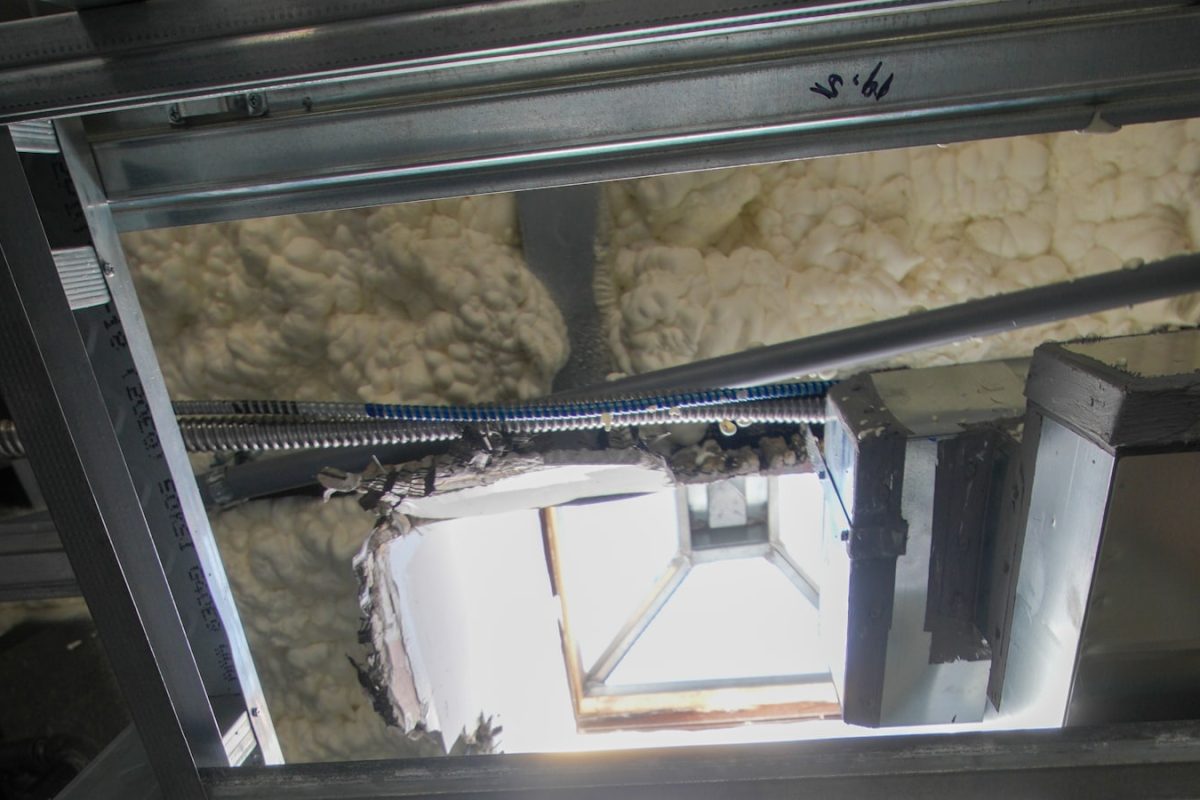
Bulk, reflective and spray foam insulation each work differently. Here is how R-value works and where each type suits a NSW home.
Insulation is one of the highest value investments you can make in a home’s comfort and running costs, yet the options can be confusing. Bulk, reflective and spray foam all do the same broad job in different ways, and getting the right type in the right place matters more than most people realise.
Here is a clear guide to the three main types, how R-value works, and where each suits a New South Wales home.
How R-value works
R-value measures how well a material resists heat flow. The higher the R-value, the more it slows heat moving through it. When you compare insulation, you are largely comparing R-values, so it pays to understand a few points:
- Higher is better, up to a point. More R-value means more resistance, but there are diminishing returns and practical limits on how thick you can go.
- It is about the installed result. A high R-value product installed with gaps and compression performs far worse than its label suggests.
- Different parts of the home need different levels. Roofs typically need more than walls, which need more than floors.
R-value is the language NatHERS and the building code use, so the numbers in your specification are not arbitrary. They are tied to the performance your home needs to reach.
Bulk insulation (batts and similar)
Bulk insulation works by trapping tiny pockets of still air within the material, which slows heat moving through. Batts are the most familiar form, but bulk insulation also comes as rolls and loose fill.
- How it works: resists heat flow in all directions using trapped air.
- Best for: ceilings, walls and floors, the everyday workhorse of home insulation.
- Watch for: gaps, compression and poor fit around obstacles, which all cut performance.
Bulk insulation is effective against both winter heat loss and summer heat gain because it resists conducted heat in either direction. For most NSW homes it forms the backbone of the insulation strategy.
Reflective insulation (foil and sarking)
Reflective insulation works differently. Instead of trapping air, it reflects radiant heat, the heat that travels as invisible rays from a hot surface. Foil products and reflective sarking are the common forms.
- How it works: reflects radiant heat, and must face an air gap to do its job.
- Best for: roofs and walls where radiant heat from a hot roof is a major issue, common in NSW summers.
- Watch for: it needs that adjacent air gap, and dust settling on the foil over time reduces its effect.
Reflective insulation shines against summer heat gain from a baking roof. It is often used alongside bulk insulation rather than instead of it, so the two tackle different parts of the heat problem.
Spray foam insulation
Spray foam is applied as a liquid that expands and sets, filling cavities and sealing gaps as it goes. It can offer both insulation and a degree of air sealing in one step.
- How it works: expands to fill and seal spaces, resisting heat flow and reducing air leakage.
- Best for: awkward cavities and areas where air sealing and insulation are both wanted.
- Watch for: it must be installed by professionals, it is harder to remove or alter later, and product choice and ventilation need care.
Spray foam can be powerful, but it is a specialist product. The right choice depends on the application and the building, so get tailored advice before committing. Our team can talk it through on our contact page.
Comparing the three types
| Type | How it resists heat | Best location | Key consideration |
|---|---|---|---|
| Bulk | Traps air, resists conducted heat | Ceilings, walls, floors | Must be fitted without gaps |
| Reflective | Reflects radiant heat | Roofs and walls | Needs an air gap to work |
| Spray foam | Fills, seals and resists heat | Cavities, hard to reach areas | Professional install only |
Where each suits the home
A well insulated home often uses more than one type, each where it does the most good:
- Roof and ceiling: usually the priority, since a lot of heat moves through the top of a home. Bulk insulation, often combined with reflective sarking under the roof, is a common pairing.
- Walls: bulk insulation in the wall cavity, sometimes with reflective products against radiant heat.
- Floors: bulk insulation under suspended floors helps in cooler conditions and stops draughts from below.
Install quality and gaps make or break it
This is the point most worth remembering: insulation only performs if it is installed properly. A batt with a gap left around a pipe, squashed into a tight space, or pulled away from the surface it should hug, loses a large share of its value. Reflective foil with no air gap, or covered in dust, barely works at all.
When your home is assessed, the R-values in the specification assume good installation. If the real install falls short, the home will not perform the way the model predicts. It is worth insisting on careful installation and checking the work before linings go up. Our assessors can help you specify the right products and levels for your design through our services page.
Frequently asked questions
Can I mix insulation types in one home? Yes, and most well designed homes do. Bulk insulation handles conducted heat while reflective products tackle radiant heat, so they complement each other.
Is a higher R-value always better? Higher R-value resists more heat, but there are diminishing returns and practical thickness limits. The right level depends on where it is going and what your home needs to reach.
Does poor installation really matter that much? Yes. Gaps, compression and missing air gaps can cut performance sharply, so the installed result matters more than the label. Careful installation is essential.
Building or renovating in NSW? Get a fast, fixed-fee quote from our HERA-registered assessors.
Free guide
10 Tips for a 7-Star New Build
Our practical PDF guide to building a comfortable, compliant NSW home - the design decisions that matter most, and how to reach 7 stars without overspending.
We will only use your email to send the guide and the occasional useful update. Unsubscribe anytime. This form is protected by reCAPTCHA.

BASIX & NatHERS specialists helping NSW homeowners and builders achieve energy-efficient, compliant homes.