
Building in NSW in Late 2026? Here Is the Rules Roundup
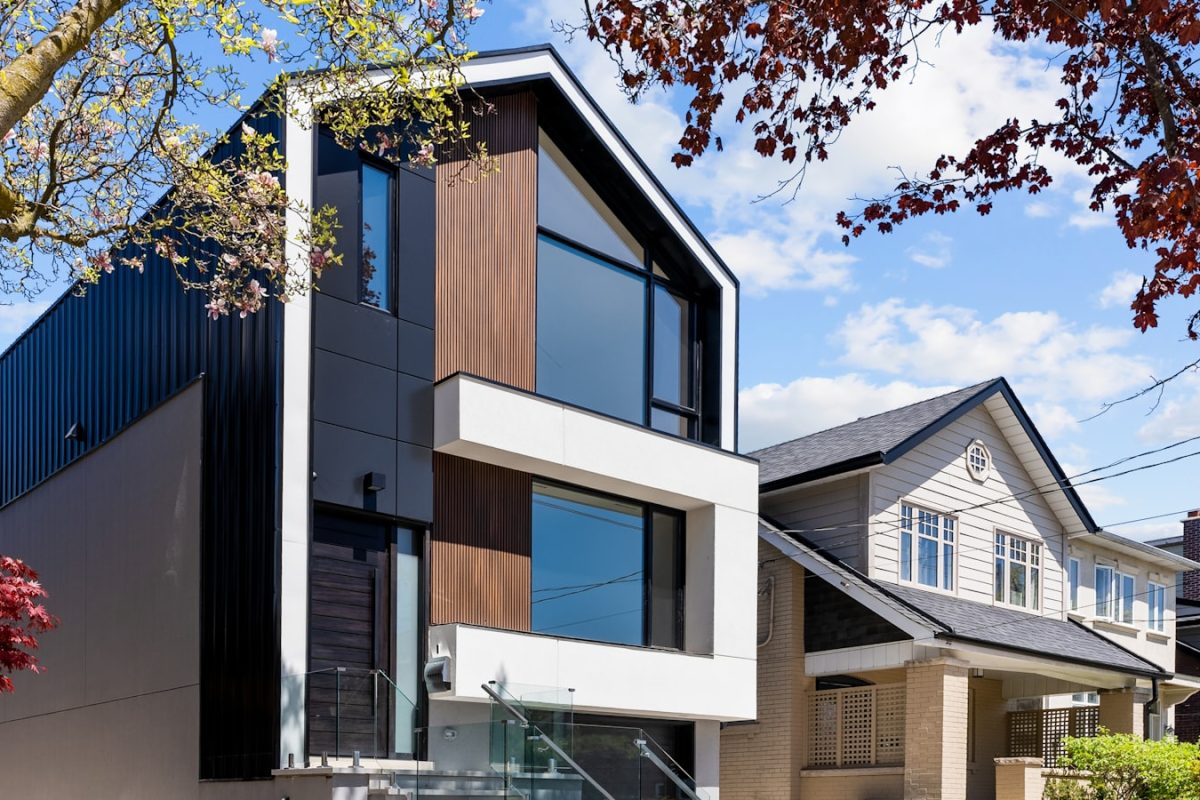
Passive House in BASIX, ratings for existing homes, a stable NCC to 2029 and stacked battery rebates - the four 2026 changes that matter for NSW builds, in one roundup.
2026 has been a busy year for the rules around NSW homes – but for once, most of the news is good. Standards did not jump, useful new pathways opened, and there is real money on the table for efficient homes. If you are starting a build, a renovation or a development in late 2026, here is the state of play in one place.
The four changes that matter
1. The BASIX tool got smarter (May 2026)
The May upgrade to v4.04 formally recognised the Passive House Standard as an alternative thermal compliance pathway, banned exhaust fans discharging into roof spaces, and added a mandatory accuracy declaration when certificates are generated. Targets did not change – documentation expectations did. Full detail in our BASIX May 2026 update guide.
2. Existing homes can now be rated (July 2026)
NatHERS for Existing Homes Stage 2 went live nationally, so the house you already own can get an official Home Energy Rating Certificate – a 0-10 thermal star rating plus a 0-100 Whole of Home score. Renovators get a measurable baseline, sellers get evidence, buyers get transparency. We covered it in depth in our existing homes rating explainer.
3. The code is stable until mid-2029
The new NCC edition published in February 2026 kept the 7-star minimum, added no new residential energy mandates, and came with an agreed pause on further residential regulation changes until mid-2029. Refinements to steel-frame thermal bridging defaults and certified glazing documentation are the details to watch. Our NCC roundup has the specifics.
4. The rebate stack is generous
Federal battery rebates, the NSW virtual power plant incentive and the new $557 million Home Energy Saver Program all landed or expanded this year – and 7-star homes are the perfect platform for them. See why 2026 is the year batteries and 7-star homes click.
What it adds up to
| If you are… | The 2026 play |
|---|---|
| Building a new home | Design to 7 stars once, properly optimised – the rules will not move before 2029, so every dollar of over-specification is pure waste |
| Renovating | Rate the existing home first, then design the works to lift the weak points BASIX already makes you address |
| A builder with repeat designs | Lock optimised standard designs now and ride the stable code period – volume compounds the savings |
| Adding solar or a battery | Stack the federal rebate, the VPP incentive and efficient design – and declare the equipment so Whole-of-Home credits it |
The thing that has not changed
Through every rule change of the past few years, one constant holds: the certificate is cheap, the specification is expensive. A balanced assessment that reaches the targets with the least construction cost is worth more than any rebate on this page. That is the work we do every day, at a fixed fee, from Sydney to Newcastle, Wollongong and everywhere in regional NSW.
Frequently asked questions
Did anything get harder in 2026? Documentation, slightly – certified glazing data, ducted exhausts and the accuracy declaration all tighten paperwork. Targets themselves did not rise.
Should I wait to build? There is no regulatory reason to wait – the framework is stable to mid-2029 and the incentive stack is generous now.
Where do I start? Send us your plans, or even a concept sketch. Early advice on orientation and glazing is the cheapest star rating improvement you will ever get.
Ready to move? Get a fixed-fee quote within one business day, or read how our pricing works.
Free guide
10 Tips for a 7-Star New Build
Our practical PDF guide to building a comfortable, compliant NSW home - the design decisions that matter most, and how to reach 7 stars without overspending.
We will only use your email to send the guide and the occasional useful update. Unsubscribe anytime. This form is protected by reCAPTCHA.

BASIX & NatHERS specialists helping NSW homeowners and builders achieve energy-efficient, compliant homes.