
The BASIX Materials Index Explained: Embodied Emissions in Your NSW Build
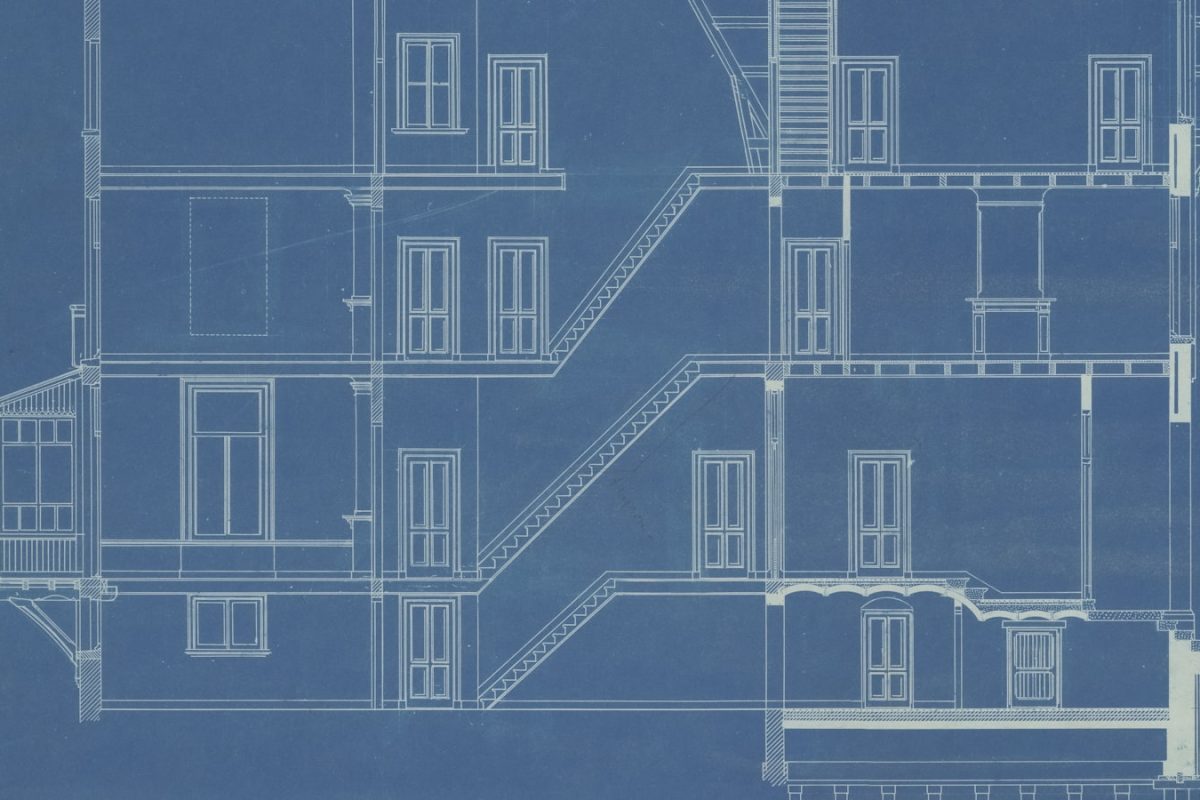
BASIX now measures the embodied emissions of your building materials. Here is what the new Materials Index covers, the data you need to provide, and how to lower it.
NSW has introduced one of the biggest changes to BASIX in years: the Materials Index. Alongside the familiar energy, water and thermal comfort targets, BASIX now estimates the embodied emissions of the materials your home is built from. Here is what that means, what you will need to provide, and how to keep the number down.
What are embodied emissions?
Most people picture a home’s carbon footprint as the energy it uses once people move in – heating, cooling and hot water. Embodied emissions are different. They are the greenhouse gases released to make the building: extracting raw materials, manufacturing products like concrete, brick and steel, and transporting them. The BASIX Materials Index measures these emissions at the product stage, from cradle to factory gate, in kilograms of carbon dioxide equivalent (kg CO2e).
How the Materials Index works
You tell BASIX the size of the dwelling and what the main building elements are made from. The tool combines that with standard construction assemblies and the EPiC database (Environmental Performance in Construction) to convert each material’s volume into an embodied-emissions figure. In short: describe the build, and BASIX estimates its material carbon.
The index looks at four building elements:
| Element | What BASIX asks for |
|---|---|
| Floors | Floor type (slab on ground, suspended, above garage), area, form of construction, frame and insulation. |
| Walls | External and internal wall construction types, area, frame and insulation – entered separately. |
| Ceiling and roof | Ceiling and roof type, area, frame, plus roof and ceiling insulation. |
| Glazing | Window area split by glazing type (single, double, triple) and by frame type (aluminium, timber, uPVC, steel, composite). |
The data you will need to provide
The Materials Index is detail-driven. For an accurate result, your assessor needs the same information that appears on a good set of construction plans and specifications:
- Floor construction – concrete slab on ground, a suspended timber floor, or a floor above a garage; conventional slab or waffle pod.
- Wall make-up – brick veneer, cavity brick, framed cladding, AAC and so on, for both external and internal walls.
- Roof and ceiling – framed metal, concrete or terracotta tiles, raked or flat, and the insulation used.
- Glazing schedule – the area of windows and doors by glass type and frame material.
- Insulation – the type used in floors, walls, ceiling and roof.
- Concrete choices – whether any low-emission concrete is specified.
Areas matter, and BASIX has specific rules for measuring them: floor area is taken from the inside of external walls, external wall area to the outer perimeter (excluding windows and doors), and roof area to the outside of the gutters on the horizontal plane. Getting these right is part of what an accredited assessor does for you.
How to lower your embodied emissions
The good news is that the Materials Index rewards sensible, often low-cost choices:
- Specify low-emission concrete. BASIX recognises cement substitutes from 30 percent up to 60 percent, and 100 percent geopolymer replacement. Concrete is emissions-heavy, so this is one of the biggest levers.
- Choose lower-carbon assemblies where the design allows – for example timber framing over heavy steel, or fibre cement cladding.
- Do not over-build. Right-sizing the home and avoiding unnecessary concrete reduces both cost and embodied carbon.
- Consider recycled-content insulation such as polyester with high post-consumer content.
These decisions sit comfortably alongside the choices that earn a 7-star NatHERS rating, so a good assessor optimises both together.
What this means for your project
The Materials Index is a required part of your BASIX Certificate and is reported to council. Practically, it means your plans and specifications need to be clear about materials early – guesswork at lodgement leads to rework later. The single best thing you can do is give your assessor a complete plan set and window schedule up front.
Official references
For the technical detail, NSW publishes guidance on the Planning Portal:
- BASIX Materials Index help notes (PDF) – the official field-by-field guide.
- BASIX on the NSW Planning Portal – the scheme home page and tool.
Frequently asked questions
Is the Materials Index the same as my NatHERS rating? No. NatHERS measures how much energy the finished home needs to stay comfortable. The Materials Index measures the carbon embodied in the materials used to build it. Both now sit inside BASIX.
Do I need to do anything different as a homeowner? Mainly, make sure your plans and specifications nominate materials clearly. Your assessor handles the inputs and the measurements.
Does choosing low-emission concrete cost more? Often only marginally, and many suppliers offer it as standard. It is one of the most effective ways to reduce your reported embodied emissions.
Building or renovating in NSW and need a BASIX Certificate that covers energy, water, thermal comfort and the new Materials Index? Get a fast, fixed-fee quote from our accredited assessors.
Free guide
10 Tips for a 7-Star New Build
Our practical PDF guide to building a comfortable, compliant NSW home - the design decisions that matter most, and how to reach 7 stars without overspending.
We will only use your email to send the guide and the occasional useful update. Unsubscribe anytime. This form is protected by reCAPTCHA.

BASIX & NatHERS specialists helping NSW homeowners and builders achieve energy-efficient, compliant homes.