
BASIX in NSW: The Complete Guide for Homeowners, Builders and Every Council
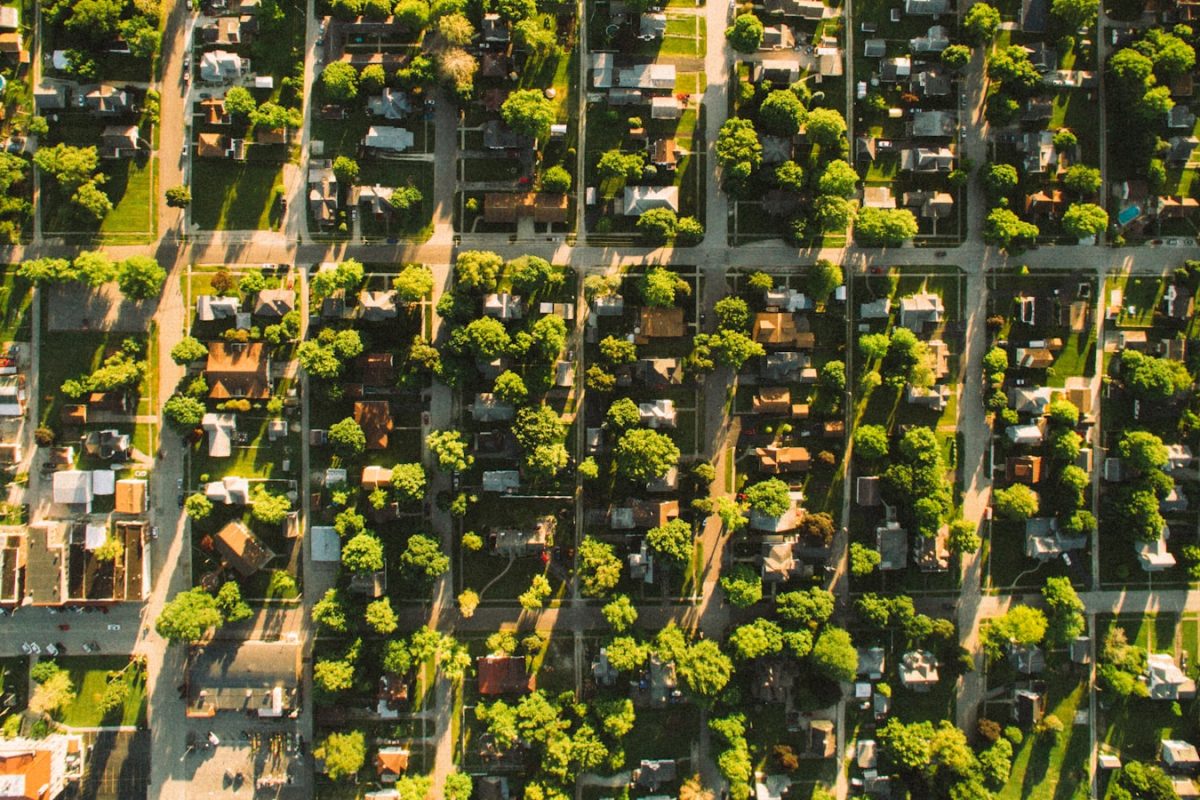
A complete, plain-English guide to BASIX in NSW: the three targets, when you need a certificate, how it works with NCC and NatHERS, what your council adds, costs, and the step-by-step process.
If you are building, renovating or adding a granny flat anywhere in New South Wales, BASIX is one of the first compliance hurdles you will meet, and one of the most misunderstood. This guide explains what BASIX is, the targets your project must hit, how it works alongside the National Construction Code and NatHERS, what your local council adds on top, and the exact steps from design to occupation. It is written for homeowners and builders, in plain English.
What is BASIX?
BASIX is the Building Sustainability Index, a New South Wales planning scheme that sets minimum sustainability standards for residential development. It sits within the State Environmental Planning Policy (Sustainable Buildings) 2022. Almost every new home and many renovations must obtain a BASIX Certificate and lodge it with the development application (DA) or complying development certificate (CDC) through the NSW Planning Portal.
The certificate proves that your design meets state targets in three areas: energy, thermal comfort and water. No certificate means no approval, so BASIX shapes design decisions from the very first sketch.
The three BASIX targets
| Target | What it measures | How you meet it |
|---|---|---|
| Energy | Reduction in greenhouse gas emissions from the home in use. | Efficient hot water, heating and cooling, lighting and, increasingly, rooftop solar. |
| Thermal comfort | How well the building fabric holds a comfortable temperature. | Usually demonstrated with a NatHERS assessment (7-star minimum under NCC 2022). |
| Water | Reduction in mains (potable) water use. | WELS-rated fixtures, rainwater tanks and water-wise landscaping. |
The exact pass mark for each target is not a single fixed number. It varies with your location, climate zone, dwelling type and project value, and the BASIX tool calculates it for your specific site. That is why two similar homes in different suburbs can face different requirements.
The 2023 BASIX upgrade and the new Materials Index
In October 2023 the NSW Government lifted the BASIX standards. The thermal comfort benchmark was aligned with the NCC 2022 move to a 7-star NatHERS minimum, the energy targets were raised, and a brand new Materials Index was introduced to measure the embodied emissions of the materials your home is built from.
The Materials Index is the newest piece of the puzzle and catches many people by surprise. We cover it in detail in our companion article, The BASIX Materials Index Explained.
When do you need a BASIX Certificate?
- New dwellings – houses, dual occupancies, townhouses, secondary dwellings and apartments.
- Alterations and additions at or above the cost threshold (commonly around $50,000 in estimated value).
- Granny flats and secondary dwellings – these are treated as new dwellings and need their own certificate.
- Swimming pools and spas over 40,000 litres.
Some minor works are exempt, and heritage items can be handled differently. If you are unsure whether your project triggers BASIX, it is worth a quick check before you spend money on a design that has to change later.
How BASIX fits with the NCC, NatHERS and your council
BASIX does not work alone. Think of four layers stacking up:
| Layer | Who sets it | What it controls |
|---|---|---|
| NCC 2022 | National | The minimum building standard, including the 7-star energy requirement and Whole-of-Home. |
| NatHERS | National | The star-rating method used to demonstrate thermal performance. |
| BASIX | NSW | The state sustainability targets for energy, thermal comfort, water and materials. |
| Council rules | Local | Extra controls in a Development Control Plan (DCP), sometimes called “Beyond BASIX”. |
BASIX and your local council
This is where many projects come unstuck. BASIX is a state scheme, but your application is assessed by your local council (for a DA) or a private certifier (for a CDC). Councils cannot lower the BASIX targets, but some add their own sustainability controls through a DCP, and all of them check that your stamped plans match your BASIX commitments.
DA or CDC?
A Complying Development Certificate (CDC) is a fast-track approval for straightforward projects that meet pre-set rules. A Development Application (DA) goes to council for full assessment and is needed when a project falls outside complying development. Either way, a current BASIX Certificate must be attached, and the same commitments must appear on your plans and specifications.
Councils we work with across NSW
NathersPro prepares BASIX and NatHERS certificates for projects right across New South Wales. A sample of the council areas we work in:
| Region | Councils |
|---|---|
| South West Sydney | Liverpool City Council, Camden Council, Campbelltown City Council, Wollondilly Shire Council. |
| Western Sydney | Blacktown City Council, The Hills Shire Council, Hawkesbury City Council. |
| Hunter and Central Coast | Maitland City Council, Cessnock City Council, Lake Macquarie City Council, Central Coast Council, Port Stephens Council, Muswellbrook Shire Council. |
| Mid North Coast and Northern Rivers | Port Macquarie-Hastings Council, MidCoast Council, City of Coffs Harbour, Byron Shire Council. |
| Illawarra and South Coast | Shellharbour City Council, Shoalhaven City Council. |
| Regional and Southern NSW | Orange City Council, Cowra Shire Council, Griffith City Council, Wagga Wagga City Council, AlburyCity Council, Yass Valley Council, Queanbeyan-Palerang Regional Council. |
Because climate zones differ across these areas, the same design will not earn the same BASIX result everywhere. A home in cooler Orange or Albury is assessed against different conditions than one in coastal Coffs Harbour or hot western Sydney. See the suburbs and regions we cover on our areas we serve page.
Your BASIX journey, step by step
| Stage | What happens |
|---|---|
| 1. Early design | Orientation, glazing and layout are set. This is when BASIX is cheapest to satisfy. |
| 2. Assessment | Your assessor models the home, runs the NatHERS and BASIX tools, and advises any changes needed to pass. |
| 3. Certificate | The BASIX Certificate is generated and the commitments are added to your plans. |
| 4. Lodgement | The certificate is lodged with your DA or CDC through the NSW Planning Portal. |
| 5. Construction | The builder installs exactly what the certificate commits to and keeps receipts and photos. |
| 6. Occupation certificate | The certifier confirms the commitments were met before the home can be occupied. |
The BASIX evidence trail
A BASIX Certificate is a promise, and that promise is checked. Keep clear records through the build: product specifications and model numbers for fixtures, hot water and any solar, insulation types and R-values, glazing performance, and photos of installation. If a product is substituted on site, the certificate may need updating before the occupation certificate can be issued.
What does BASIX cost and how long does it take?
There are two cost elements: a NSW Planning Portal lodgement fee, and the assessor fee for preparing the certificate. The assessor fee depends on the size and complexity of the project, the number of dwellings and whether a full NatHERS model is required. As a guide, a single new dwelling is more involved than a small alteration.
At NathersPro, a standard certificate takes 3 to 4 business days, with a 24-hour express option when a deadline is tight. The fastest way to a fixed-fee quote is to send us your plans.
Common BASIX mistakes
- Leaving BASIX to the end. Orientation and glazing decisions made before an assessment are the hardest and most expensive to undo.
- Plans that do not match the certificate. Council and certifiers check this closely, and a mismatch stalls approval.
- Substituting products on site without updating the certificate, which can hold up the occupation certificate.
- Assuming one design suits every council and climate. The same plan can pass in one region and fail in another.
Who does what on your project
| Role | Responsibility |
|---|---|
| Owner | Engages the team, makes product choices and funds the works. |
| Designer or architect | Produces the plans that the BASIX commitments are written onto. |
| BASIX and NatHERS assessor | Models the home, prepares the certificate and advises how to pass efficiently. |
| Builder | Installs to the certificate and keeps the evidence. |
| Certifier | Confirms compliance and issues the occupation certificate. |
Frequently asked questions
Is BASIX the same as a NatHERS rating? No. BASIX is the NSW certificate covering energy, thermal comfort, water and materials. NatHERS is the star-rating method most commonly used to satisfy the thermal comfort part of BASIX.
Do I need BASIX for a granny flat? Yes. Secondary dwellings are treated as new dwellings and need their own BASIX Certificate.
Does my council set the BASIX targets? No, the state sets them. Your council assesses the application and may add extra controls through a DCP, but it cannot reduce the BASIX targets.
Can I start building before BASIX is approved? No. The certificate must be lodged with your DA or CDC, and works started before approval can put your project at risk.
BASIX glossary
- BASIX – Building Sustainability Index, the NSW residential sustainability scheme.
- NCC – National Construction Code, the national building standard.
- NatHERS – Nationwide House Energy Rating Scheme, the thermal star-rating method.
- DA / CDC – Development Application (council assessed) or Complying Development Certificate (fast-track).
- DCP – Development Control Plan, a council document that can add local controls.
- WELS – Water Efficiency Labelling and Standards, the star rating on taps, toilets and showers.
- OC – Occupation Certificate, issued before a home can be lived in.
Important disclaimer
The information in this guide is general in nature and current as at June 2026. BASIX targets, the NSW planning framework and individual council requirements change over time and vary by location, dwelling type and project value. Nothing in this article is legal, planning, building or financial advice, and figures such as cost thresholds are indicative only. Always confirm the current requirements with the NSW Planning Portal, your local council and a qualified BASIX or NatHERS assessor before making decisions or lodging an application.
Building or renovating anywhere in NSW? Get a fast, fixed-fee quote from our accredited BASIX and NatHERS assessors, whatever your council.
Free guide
10 Tips for a 7-Star New Build
Our practical PDF guide to building a comfortable, compliant NSW home - the design decisions that matter most, and how to reach 7 stars without overspending.
We will only use your email to send the guide and the occasional useful update. Unsubscribe anytime. This form is protected by reCAPTCHA.

BASIX & NatHERS specialists helping NSW homeowners and builders achieve energy-efficient, compliant homes.